
Breaking the Cycle
How can we break the cycle of single use plastics when at-home recycling is not the best answer?

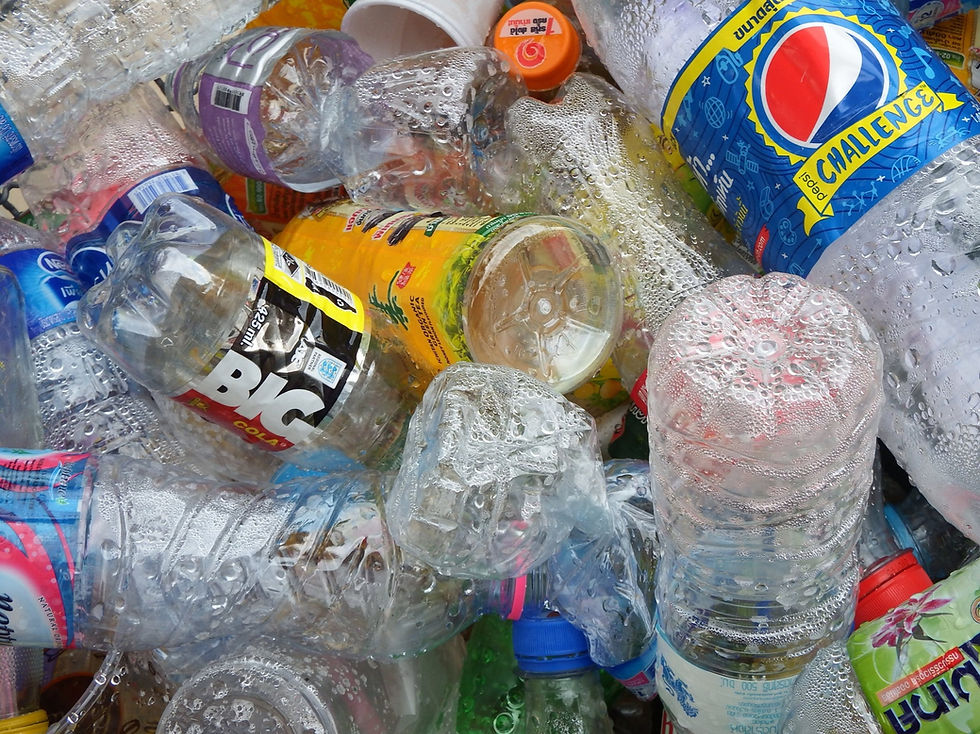
The problem is becoming more apparent every single day. Just taking a stroll down your favorite beach here in New Jersey will alert you to the serious issue of plastics in the oceans and marine habitats. Here are the facts: there are over 5 TRILLION pieces of plastic in our oceans at this point in time. And that number is only growing. How did all of this plastic get there? The answer is single-use plastics.
Let's think about your trip to your local grocery store, where you probably buy most of the products that you use every day. Picture all of the things that you normally put into your cart: toothpaste, a package of cookies, soap, a jug of peanut butter, shampoo, milk, etc. Now think of what all of these things are packaged in -- plastic. Upon realizing this myself, I have tried to reduce the amount of plastic-packaged items that i buy at the grocery store. I bought natural soap that was packaged in paper, I bought bamboo toothbrushes, I recycled everything that I could, and I bought reusable bags both for individual produce and for my groceries as a whole.

And while these things made me feel great about myself and about my contribution to helping the environment, I realized after doing more research that this was helpful, but it was not the answer that our planet needs. One reason for this is down-cycling - which in short is when you recycle an item which then results in another item of lesser quality and functionality. For example, if you recycle a plastic water bottle, it will never be a plastic water bottle again, but instead something likely smaller and of worse quality since the process of melting it down changes the quality of that plastic. Additionally, many plastic items that we by from the grocery store cannot be recycled in the first place. "Plastic products made from polyvinyl chloride, such as shower curtains, piping, window frames and some toys, can't be recycled. Don't put the lids of recyclable water bottles in your recycling bin, and plastic bags cannot be recycled." (https://www.livestrong.com/article/157176-products-that-cannot-be-recycled/)
Another reason why simply recycling the products that you buy is not the answer to the plastics problem is because we are simply using too much. Moreover, manufacturing companies are producing too much. If your tub is overflowing with water, you would not begin to fix the problem by wiping up the water that is on the floor - you would turn off the faucet. That is what we need to do to stop the ridiculous use of single-use plastics in our every day lives. If you could go to the grocery store and buy all the things on your list packaged in biodegradable paper or reusable containers, it would not be a large hassle for you, and it would cut down the amount of plastics that are produced and then dumped into our landfills and into our oceans.
So how do we end the cycle of manufacturing and selling all of the countless products that are packaged in single-use plastics? We pick the part of the supply chain that has the power - we demand that Supermarkets change a majority of their packaging. There are many initiatives pushing supermarkets and other retailers to change the game. One such initiative that you can support is Green Peace's petition to big-time grocers such as Walmart, Whole Foods, Target, Kroger, Safeway, Costco, Food Lion, ALDI, Trader Joe's, and Publix. You can add your name and send a message to the CEO's of these companies to demand that they make a change. Click here to add your name to their petition.
Comments